Spotting trouble before it grows
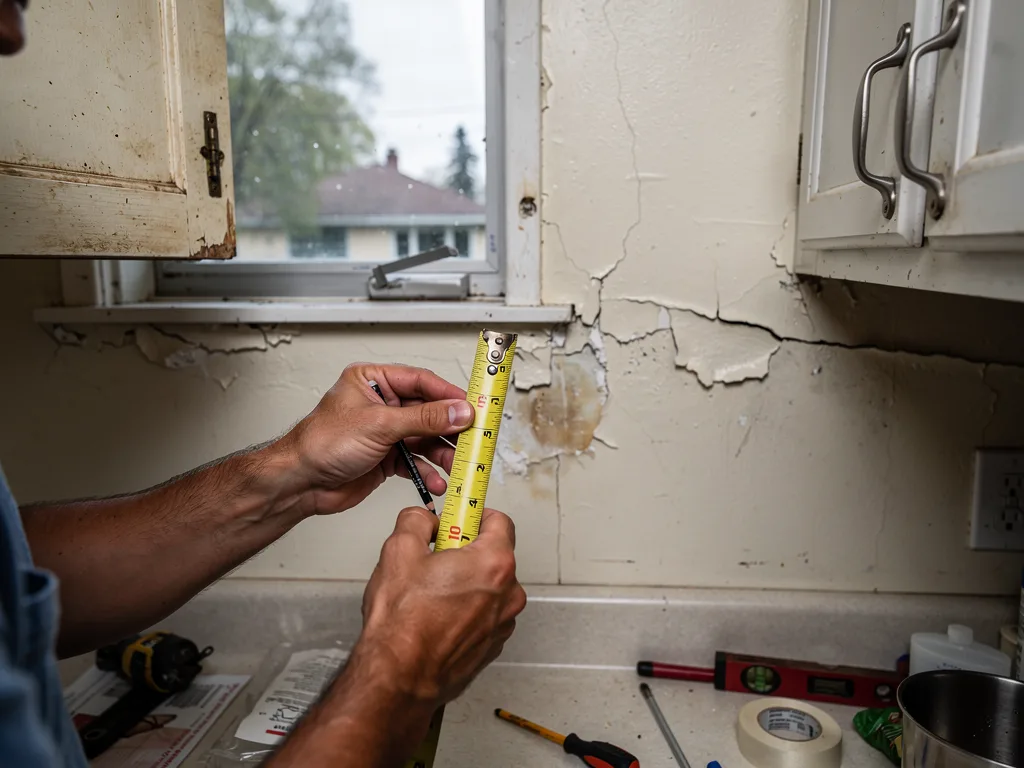
Remodeling in Eau Claire often starts with a idea in the kitchen or a wish for a brighter bath. But creeping problems can hide behind the scene. A common warning sign is delayed or uneven finishes after demolition, which can signal hidden water damage, framing twists, or poor subfloor prep. Our remodeling contractors in Eau Claire see this a lot when a project stalls mid demo. Look for gaps where paint flakes away from corners and edges that reveal soft spots or squeaks underfoot.
Another indicator is changes in humidity or temperature during a remodel. If a room never seems to dry out after rain or a flood, or you notice persistent odors, that can point to moisture behind walls. In Eau Claire’s climate, seasonal moisture swings are real; a proper assessment is essential before moving forward.
What to do when you spot the signs
Document the area with photos and notes. Call a remodeling contractor for an on-site assessment rather than guessing. In Eau Claire, a local contractor will check framing integrity, insulation continuity, and moisture history. If water intrusion is suspected, they’ll scope the area to determine if you need framing corrections, vapor barriers, or new sealing around windows and doors.
A careful contractor will map out a plan that addresses both the symptom and the root cause. They’ll explain how delayed finishes relate to the underlying structure, and they’ll propose practical steps you can take now, like stopping work near the area until a clear diagnosis is made.
Practical steps for Eau Claire homes
Start with a moisture check around bathrooms, kitchens, and any area with plumbing or roof lines. If you feel heat loss or cold spots around an exterior wall during Eau Claire winters, that’s another sign to review insulation and air sealing. A common, sensible approach is to schedule a free phone consultation with Remodeling Eau Claire to review your project and timeline.
From there, your remodeling contractor can create a prioritized plan: what to fix now, what to budget for later, and how to protect finished work from seasonal changes. The goal is a steady pace that keeps the project on track and avoids surprises in a few months.
Key checklists you can use
- Note any drafty areas and evidence of moisture near windows or ceilings
- Record any warped or soft spots in floors or walls
- Take photos after major steps to compare progress and identify new issues